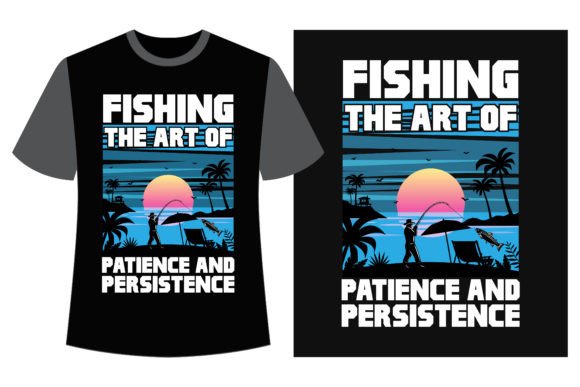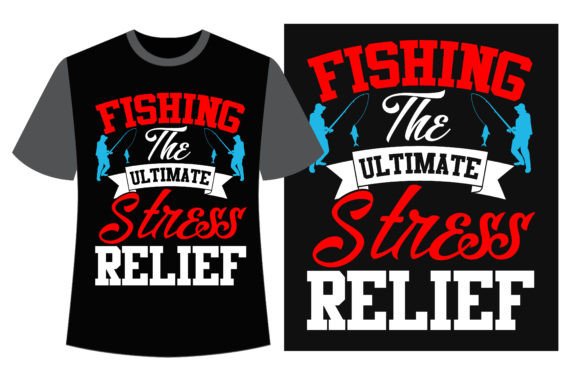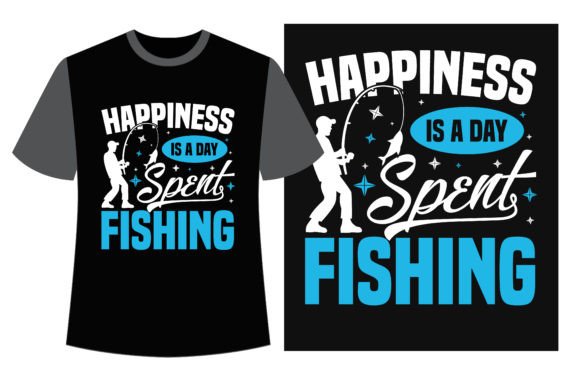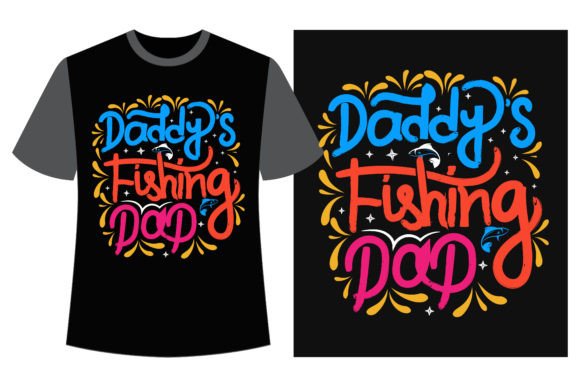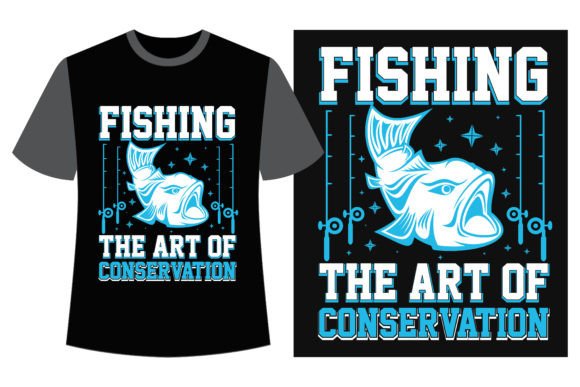
Fishing the Art of Conservation: Graphics & T-Shirt Designs
As a digital product creator who has spent years navigating the fluctuating tides of online marketplaces like Etsy, Creative Fabrica, and Shopify, I approach every new graphic design asset with a critical eye. It is not enough for a file to look good on a screen; it must translate seamlessly into physical merchandise, hold up under the scrutiny of thumbnail previews, and resonate with a specific niche audience. Recently, I evaluated a collection titled Fishing the Art of Conservation, and after putting it through its paces for potential T-Shirt Designs and broader commercial applications, I have formed a clear picture of where this asset fits within a profitable product lineup.
First Impressions and Niche Appeal
Upon opening the files, the immediate impression is one of purposeful elegance. This is not a cartoonish or overly playful depiction of angling; rather, it captures a deeper sentiment. The visual personality leans heavily toward the rustic yet premium aesthetic that appeals to the modern outdoorsman and the conservation-minded angler. The mood is respectful and grounded, suggesting a connection to nature that goes beyond merely catching fish. For sellers targeting the "catch and release" community or those who view fishing as a stewardship activity, this illustration hits the mark perfectly.
The design feels handmade in its texture but polished enough for mass production. It avoids the clutter often found in generic sports graphics, opting instead for a cleaner composition that allows the message to breathe. This makes it an ideal candidate for small business branding where authenticity is the primary selling point. Whether you are building a design bundle for Father's Day or curating a year-round collection for outdoor enthusiasts, the emotional resonance of this piece adds perceived value to the final product.
Real-World Product Applications
The versatility of Fishing the Art of Conservation becomes apparent when you start mapping it out across different product categories. While the prompt suggests it was created with apparel in mind, limiting it to just shirts would be a missed opportunity. Here is how I would deploy this digital product across a multi-channel shop:
- Apparel and Wearables: Naturally, this shines as a t-shirt design. It works exceptionally well on heathered fabrics where the vintage-inspired tones can blend organically. It is also perfect for mug designs, particularly for ceramic sublimation blanks where the detail remains crisp. Consider applying it to tote bags for beach days or fishing gear storage.
- Home and Decor: As a printable design, this graphic transforms beautifully into wall art for a cabin, man cave, or lakeside home. It can be scaled for large canvas prints or reduced for framed nursery prints that celebrate family traditions.
- Paper Goods and Planning: For the planner community, this image serves as a excellent focal point for sticker design sheets. It can be incorporated into greeting cards for birthdays or retirement parties, and even used as a decorative element in scrapbooking kits dedicated to travel and adventure.
- Digital Templates: If you sell Canva templates, this asset can be pre-placed into social media posts for fishing guides, blog headers for outdoor lifestyle sites, or promotional visuals for tackle shops. It provides instant brand identity for clients in the fishing industry.
Enhancing Product Presentation and Trust
In the crowded landscape of the creative marketplace, visual hierarchy is everything. When creating listing images for an Etsy product or a print-on-demand store, the quality of your mockups dictates your click-through rate. Fishing the Art of Conservation offers strong visual storytelling capabilities. Because the design carries a narrative of respect for nature, it allows you to create mockup scenes that feel authentic—think wooden docks, misty mornings, or worn leather journals rather than sterile white backgrounds.
Using this commercial design in your thumbnails can significantly boost customer trust. It signals that your shop understands the nuances of the hobby, moving away from generic clipart toward something that feels curated. When paired with high-quality product mockups, the intricate details of the design suggest a higher price point, allowing you to position your items as premium goods rather than cheap impulse buys.
Strategic Placement and Cautionary Notes
While this asset is robust, it is not without its limitations. To ensure professional results, you must be strategic about where and how you use it. The design excels in large product previews, themed bundles, and decorative layouts where the viewer has time to appreciate the intricacies. It is particularly effective for digital downloads intended for home printing or professional sublimation services.
However, caution is required in specific scenarios. Due to the detailed nature of the artwork, it may lose definition if shrunk down for tiny sticker details or complex layouts with competing elements. Avoid placing it on dark backgrounds unless the file format specifically supports light-colored overlays, as weak contrast can render the message invisible. Furthermore, if you are creating files for Cricut projects or Silhouette cuts, be aware that highly intricate lines may require weeding skills that exceed the average hobbyist's patience. In these cases, simplifying the vector paths or offering a "cut-friendly" version alongside the print version is a smart business move.
Practical Seller Notes for Optimization
Before publishing any listing featuring Fishing the Art of Conservation, I recommend a rigorous testing phase. Do not rely solely on the preview provided by the marketplace. Download the files and test the design on real mockups using software like Photoshop or Placeit. Preview it specifically as a marketplace thumbnail to ensure the text and key visual elements remain legible at small sizes.
Check how the colors appear on both white and dark garment mocks, and if possible, order a sample print to verify color accuracy and resolution. If you are working with SVG files, inspect the cut quality to ensure there are no stray nodes that could ruin a vinyl application. Organization is also key; ensure your file delivery to customers is clear, separating PNGs for printing from SVGs for cutting.
Typography pairing is another critical factor. This graphic pairs wonderfully with a mix of font styles. A rugged serif font can enhance the traditional feel, while a clean sans serif font modernizes the look for younger audiences. For a more personal touch, consider a handwritten font or script font to mimic a signature or journal entry. A bold display font can be used for headlines in marketing materials. Finally, always confirm the commercial license terms associated with the asset to ensure you are compliant when selling finished products.
In conclusion, Fishing the Art of Conservation is a versatile and emotionally resonant design asset that holds significant potential for savvy creators. By understanding its strengths in storytelling and its limitations in scaling, you can integrate it into a diverse range of Graphics and merchandise that stand out in a saturated market. Whether you are expanding your sublimation design catalog or launching a new line of eco-conscious apparel, this collection offers the depth and quality needed to build a reputable and successful online shop.